Palm Springs Will Remove ‘Racist Trees’ Separating Black Neighborhood from Golf Course
The city of Palm Springs, California, announced that it would remove a row of trees blocking a black neighborhood from viewing a municipal golf course.
Palm Springs Mayor Robert Moon and other city officials told residents Sunday they would be removing the line of trees and a chain link fence separating the properties after residents said the trees kept property values in the predominantly black neighborhood down, the Desert Sunreports.
Residents in the area say the trees were planted there in the 1960s as a form of racism — because the invasive tamarisk trees blocked views of the golf course and the San Jacinto mountains, keeping property values low so black families could not make money on their property.
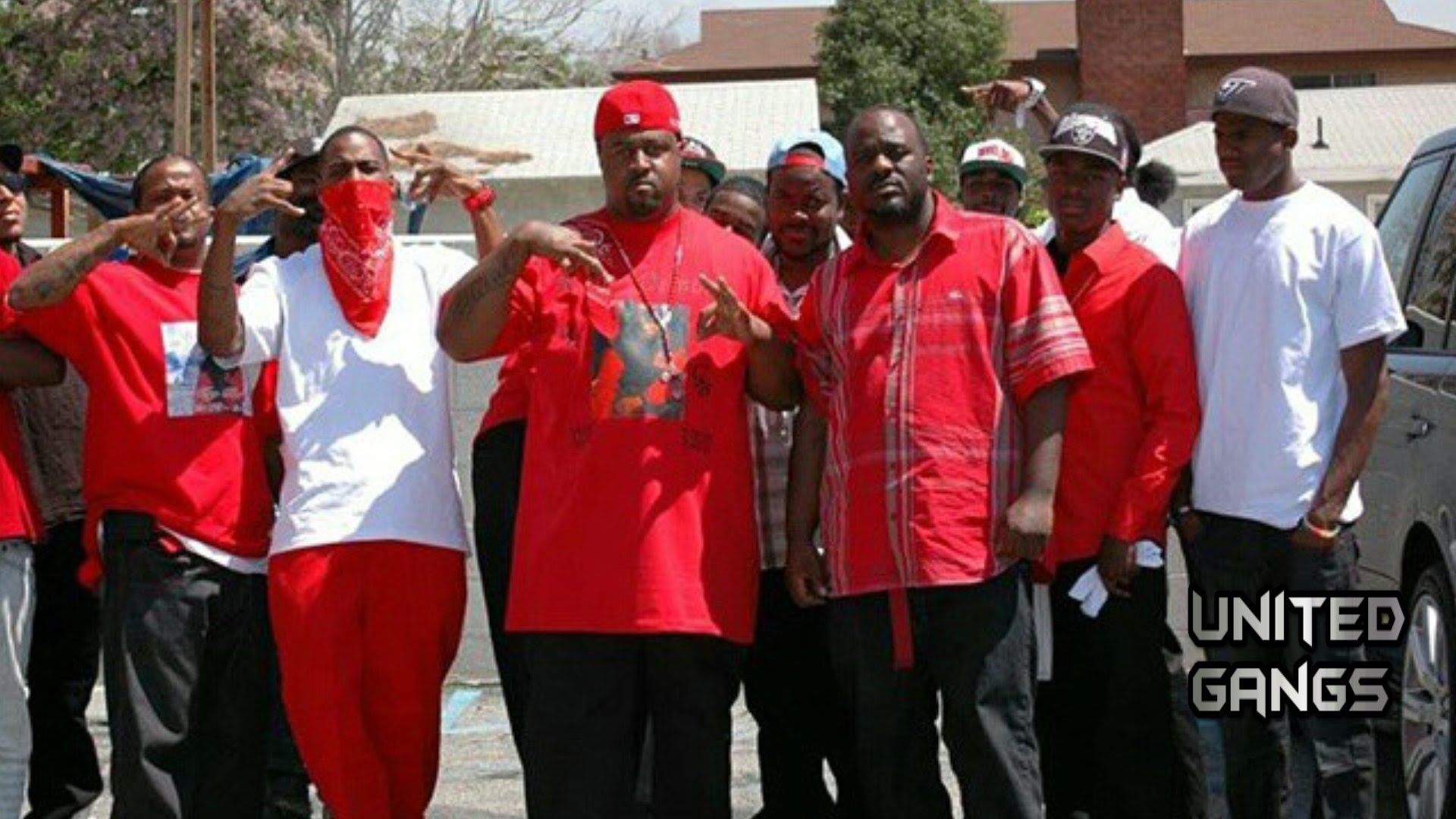
We want in your “HOODS” Damit!
City manager David Ready warned that the tree removal would not happen right away because the full city council would have to vote on the issue. He added that the trees would be down in three months.
The city estimates that the tree removal would cost $169,000.
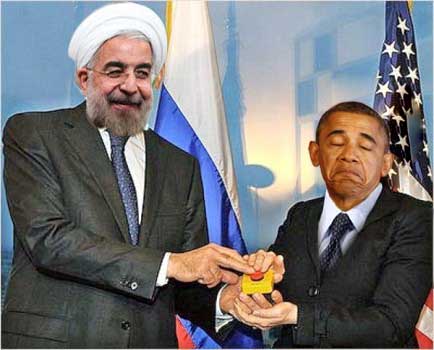
Former U.S. President Barack Obama’s administration “derailed” a DEA operation targeting Hezbollah’s multi-million-dollar drug trafficking activities in Latin America to secure approval of the controversial Iran nuclear deal, reports Politico.
Iran’s narco-terrorist proxy Hezbollah is involved in a plethora of criminal activities in Latin America, ranging from money laundering to massive drug trafficking.
“This was a policy decision, it was a systematic decision,” David Asher, a veteran Pentagon illicit finance expert deployed to combat the alleged Hezbollah criminal enterprise, told Politico, referring to the DEA operation, dubbed Project Cassandra. “They [Obama administration] serially ripped apart this entire effort that was very well supported and resourced, and it was done from the top down.”
For years, the U.S. military has been sounding the alarm on the threat against the United States posed by the presence of Iran and Hezbollah in America’s backyard — Latin America.
However, the Obama administration argued that Iran’s influence in the Western Hemisphere was “waning,” reported the Government Accountability Office (GAO), Congress’ watchdog arm, in late September 2014, months before world powers and Iran approved the nuclear deal in July 2015.
In its determination to secure a nuclear deal with Iran, the Obama administration derailed an ambitious law enforcement campaign targeting drug trafficking by the Iranian-backed terrorist group Hezbollah, even as it was funneling cocaine into the United States, according to a POLITICO investigation.
The campaign, dubbed Project Cassandra, was launched in 2008 after the Drug Enforcement Administration amassed evidence that Hezbollah had transformed itself from a Middle East-focused military and political organization into an international crime syndicate that some investigators believed was collecting $1 billion a year from drug and weapons trafficking, money laundering and other criminal activities.
Rep. Robert Pittenger (R-NC), the chairman of the Congressional Task Force on Terrorism and Unconventional Warfare, chastised the Obama administration for undermining the DEA operation.
In a statement, Pittenger, the vice chairman of the House Financial Services Committee Task Force to Investigate Terrorism Financing, declared:
The nexus between terrorists organizations, including Hezbollah, and Latin American drug cartels is a subversive alliance which provides hundreds of millions of dollars to global jihad. “The witnesses providing account of the Obama administration derailing and stonewalling the prosecution of this illicit funding investigation has resulted in the most serious consequences of the misguided and injudicious actions of President Obama and his team.”
In June 2016, Michael Braun, a former DEA agent, told lawmakers that Hezbollah is generating hundreds of millions from a “cocaine money laundering scheme” in Latin America that “provides a never-ending source of funding” for its terrorist operations in the Middle East and elsewhere.
Iran has deployed thousands of Hezbollah militants to fight on behalf of Syrian dictator Bashar al-Assad, a move that has allowed the ruthless leader to remain in power.
Both the U.S. military and State Department have warned against the menace that Hezbollah and Iran’s presence in Latin America represents.
Politico reveals:
As Project Cassandra reached higher into the hierarchy of the conspiracy, Obama administration officials threw an increasingly insurmountable series of roadblocks in its way, according to interviews with dozens of participants who in many cases spoke for the first time about events shrouded in secrecy, and a review of government documents and court records. When Project Cassandra leaders sought approval for some significant investigations, prosecutions, arrests and financial sanctions, officials at the Justice and Treasury departments delayed, hindered or rejected their requests.
The Justice Department declined requests by Project Cassandra and other authorities to file criminal charges against major players such as Hezbollah’s high-profile envoy to Iran, a Lebanese bank that allegedly laundered billions in alleged drug profits, and a central player in a U.S.-based cell of the Iranian paramilitary Quds force. And the State Department rejected requests to lure high-value targets to countries where they could be arrested.
Soon after U.S.-led world powers and Iran approved the nuclear pact, Obama predicted that Iran would use sanction relief funds to boost its terrorist proxies, namely Hezbollah, saying in August 2015:
Let’s stipulate that some of that money will flow to activities that we object to … Iran supports terrorist organizations like Hezbollah. It supports proxy groups that threaten our interests and the interests of our allies — including proxy groups who killed our troops in Iraq.
A day after the deal’s approval, Obama also said:
Do we think that with the sanctions coming down, that Iran will have some additional resources for its military and for some of the activities in the region that are a threat to us and a threat to our allies? I think that is a likelihood that they’ve got some additional resources. Do I think it’s a game-changer for them? No.
They are currently supporting Hezbollah, and there is a ceiling — a pace at which they could support Hezbollah even more, particularly in the chaos that’s taking place in Syria. So can they potentially try to get more assistance there? Yes.
According to the Jerusalem Post, Iran has dramatically increased its financial support to Hezbollah from $200 million to $800 million per year, two years after the nuclear deal was signed by Iran and world powers.
In 2010, John Brennan, Obama’s top counterterrorism adviser and then CIA director, confirmed that former president’s administration was trying to build up “moderate elements” within Iran’s terror proxy Hezbollah.
“Hezbollah is a very interesting organization,” Brennan told a Washington conference, saying it had evolved from “purely a terrorist organization” to a militia and, ultimately, a prominent Shiite political party in Lebanon, reported Reuters.
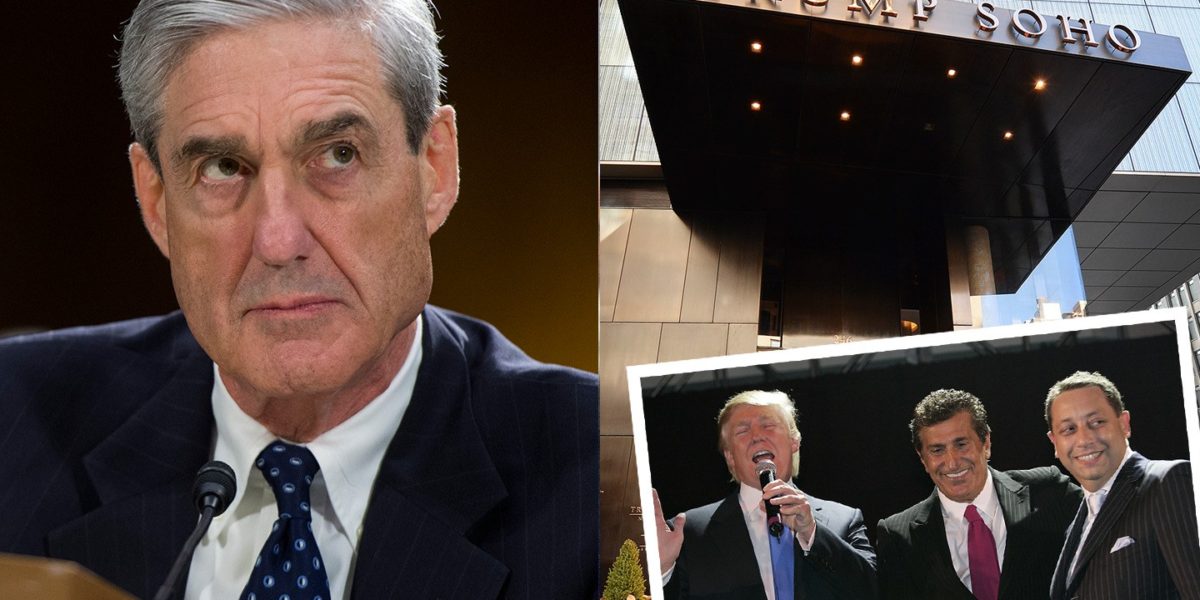
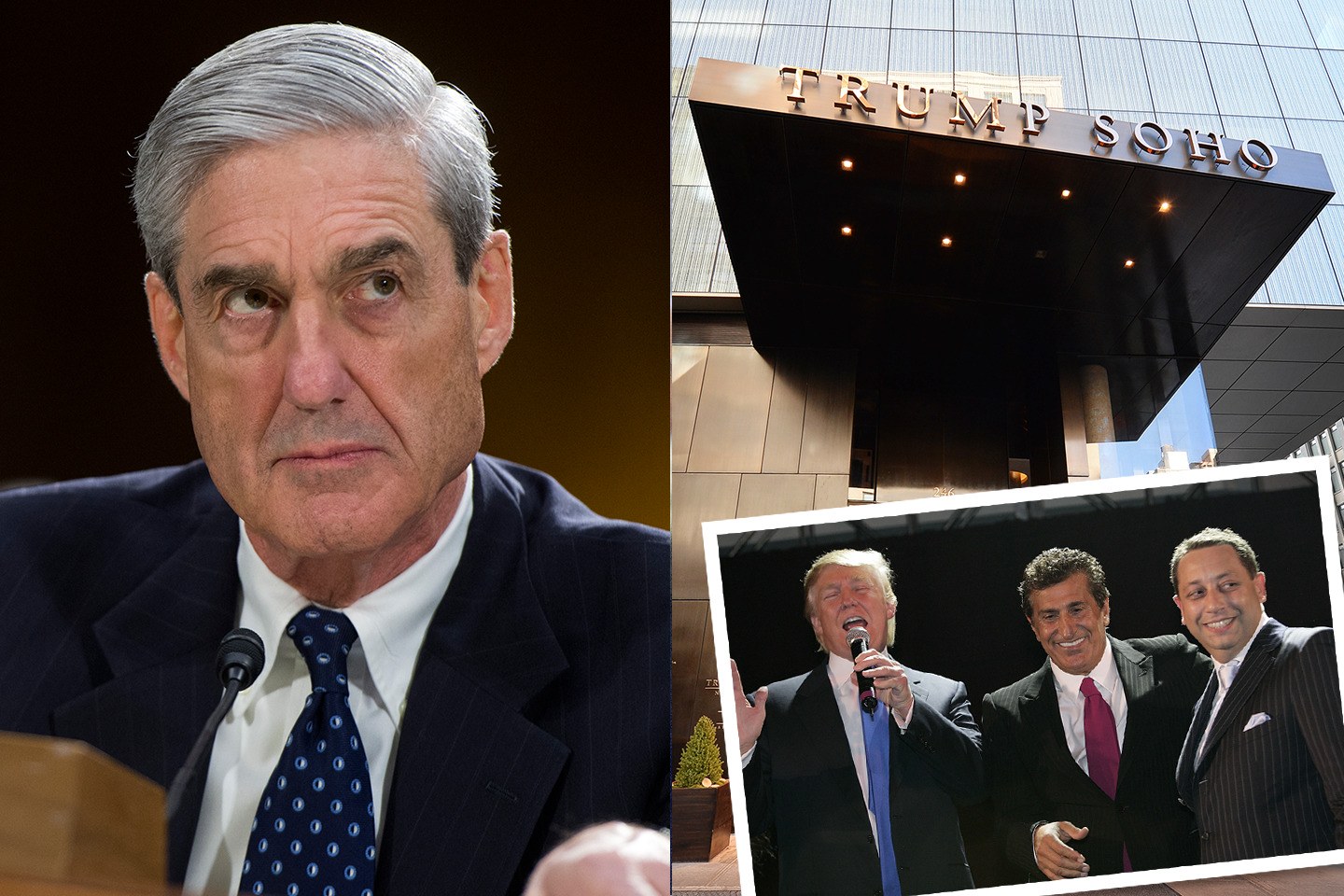
A lawyer for the Trump presidential transition team is accusing Special Counsel Robert Mueller’s office of inappropriately obtaining transition documents as part of its Russia probe, including confidential attorney-client communications, privileged communications and thousands of emails without their knowledge.
In a letter obtained by Fox News and sent to House and Senate committees on Saturday, the transition team’s attorney alleges “unlawful conduct” by the career staff at the General Services Administration in handing over transition documents to the special counsel’s office.
The transition legal team argues the GSA “did not own or control the records in question” and the release of documents could be a violation of the 4th Amendment – which protects against unreasonable searches and seizures.
Kory Langhofer, the counsel to Trump for America, wrote in Saturday’s letter that the GSA handed over “tens of thousands of emails” to Mueller’s probe without “any notice” to the transition.
The attorney said they discovered the “unauthorized disclosures” by the GSA on December 12th and 13th and raised concerns with the special counsel’s office.
“We understand that the special counsel’s office has subsequently made extensive use of the materials it obtained from the GSA, including materials that are susceptible to privilege claims,” Langhofer writes.
The transition attorney said the special counsel’s office also received laptops, cell phones and at least one iPad from the GSA.
Trump for America is the nonprofit organization that facilitated the transition between former President Barack Obama to President Trump.
The GSA, an agency of the United States government, provided the transition team with office space and hosted its email servers.
“We continue to cooperate fully with the special counsel and expect this process to wrap up soon,” Sarah Sanders, the White House press secretary, said Saturday.
The special counsel’s office declined to comment Saturday.
Langhofer wrote that some of the records obtained by the special counsel’s office from the GSA “have been leaked to the press by unknown persons.”
The transition lawyer also argued the actions “impair the ability of future presidential transition teams to candidly discuss policy and internal matters that benefit the country as a whole.”
Langhofer requests in the letter that Congress “act immediately to protect future presidential transitions from having their private records misappropriated by government agencies, particularly in the context of sensitive investigations intersecting with political motives.”
The letter was sent to the Senate Homeland Security and House Oversight Committees.
The committees did not immediately return a request for comment.
http://www.foxnews.com/politics/2017/12/16/trump-lawyer-mueller-improperly-obtained-transition-documents-in-russia-probe.html
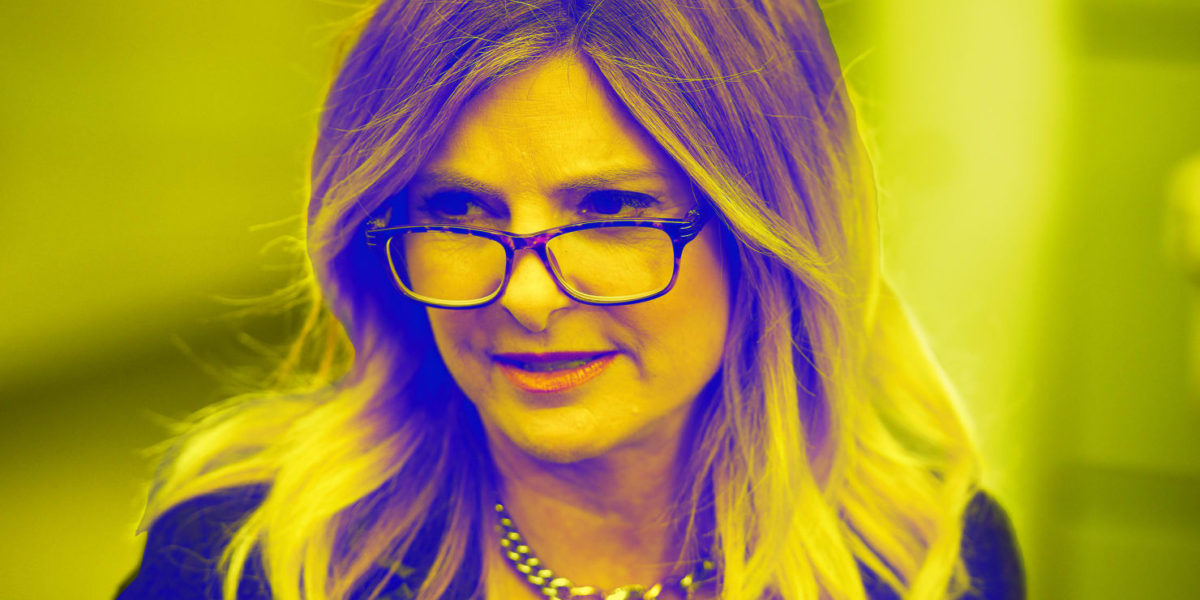
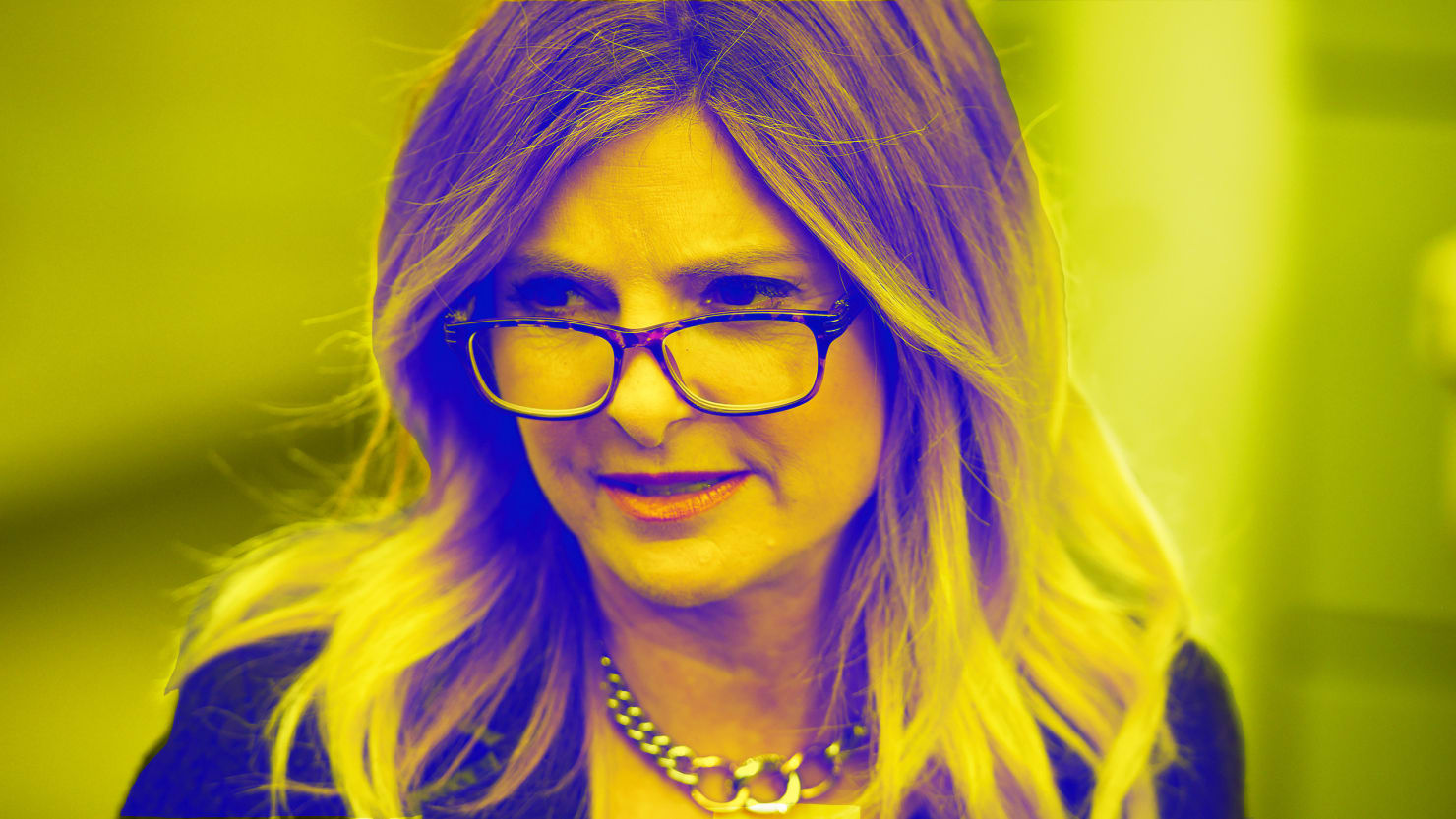
Exclusive: Prominent lawyer sought donor cash for two Trump accusers
A well-known women’s rights lawyer sought to arrange compensation from donors and tabloid media outlets for women who made or considered making sexual misconduct allegations against Donald Trump during the final months of the 2016 presidential race, according to documents and interviews.
California lawyer Lisa Bloom’s efforts included offering to sell alleged victims’ stories to TV outlets in return for a commission for herself, arranging a donor to pay off one Trump accuser’s mortgage and attempting to secure a six-figure payment for another woman who ultimately declined to come forward after being offered as much as $750,000, the clients told The Hill.
The women’s accounts were chronicled in contemporaneous contractual documents, emails and text messages reviewed by The Hill, including an exchange of texts between one woman and Bloom that suggested political action committees supporting Hillary Clinton were contacted Bloom, who has assisted dozens of women in prominent harassment cases and also defended film executive Harvey Weinstein earlier this year, represented four women considering making accusations against Trump last year. Two went public, and two declined.
In a statement to The Hill, Bloom acknowledged she engaged in discussions to secure donations for women who made or considered making accusations against Trump before last year’s election.
“Donors reached out to my firm directly to help some of the women I represented,” said Bloom, whose clients have also included accusers of Bill Cosby and Bill O’Reilly.
Bloom said her goal in securing money was not to pressure the women to come forward, but rather to help them relocate or arrange security if they felt unsafe during the waning days of a vitriolic election. She declined to identify any of the donors.
And while she noted she represented sexual harassment victims for free or at reduced rates, she also acknowledged a standard part of her contracts required women to pay her commissions as high as 33 percent if she sold their stories to media outlets.
“Our standard pro bono agreement for legal services provides that if a media entity offers to compensate a client for sharing his or her story we receive a percentage of those fees. This rarely happens. But, on occasion, a case generates media interest and sometimes (not always) a client may receive an appearance fee,” she said.
“As a private law firm we have significant payroll, rent, taxes, insurance and other expenses every week, so an arrangement where we might receive some compensation to defray our costs seems reasonable to us and is agreed to by our clients,” Bloom added.
Bloom told The Hill she had no contact with Clinton or her campaign, but declined to address any contacts with super PACs that supported the Democratic presidential nominee.
Josh Schwerin, the communications director for Priorities USA Action, the largest pro-Clinton super PAC, told The Hill that the group had no relationship with Bloom and had no discussions with her about supporting Trump accusers.
One Bloom client who received financial help from Bloom was New York City makeup artist Jill Harth.
The former beauty contestant manager filed a sexual harassment lawsuit against Trump in 1997 and then withdrew it under pressure. The news media discovered the litigation during the election, and Harth’s name became public in the summer of 2016. She asked Bloom to represent her in the fall after hearing Trump describe her allegations against him as false, and became a vocal critic of Trump.
“I consider myself lucky to have had Lisa Bloom by my side after my old lawsuit resurfaced. She advised me with great competence and compassion,” Harth told The Hill.
Harth said she did not originally ask Bloom for money, even though her cosmetics business suffered from the notoriety of the campaign stories about her.
But later, Bloom arranged a small payment from the licensing of some photos to the news media, and then set up a GoFundMe.com account to raise money for Harth in October 2016. “Jill put herself out there, facing off with Donald Trump. Let’s show her some love,” the online fundraising appeal set up by Bloom’s husband declared.
The effort raised a little over $2,300.
Bloom then arranged for a donor to make a larger contribution to help Harth pay off the mortgage on her Queens apartment in New York City. The amount was under $30,000, according to a source directly familiar with Harth’s situation. Public records show Harth’s mortgage was recorded as extinguished on Dec. 19, 2016.
Harth said the payments did not affect the merits of her allegations. She alleges that during a January 1993 meeting at Trump’s Mar-a-Lago estate, the future president pushed her up against a wall and groped her, trying to get his hands up her dress.
“Nothing that you’ve said to me about my mortgage or the Go Fund Me that was created to help me out financially affects the facts or the veracity of my 1997 federal complaint against Donald J. Trump for sexual harassment and assault,” she told The Hill.
“Having to retell my experiences of Donald Trump’s harassment is the hardest thing I’ve ever had to do.”
Trump has steadfastly denied assaulting or harassing women, even after a videotape surfaced in September 2016 in which he can be heard boasting that famous men like him can grab women by the genitalia without consequence. Trump has dismissed the tape as “locker room talk.”
Harth is currently writing a memoir about her whole experience, but without Bloom’s help.
Bloom acknowledged arranging financial help for Harth, who she said had lost income because of the publicity surrounding her allegations.
“She endured a tidal wave of hate for it. It was very painful for her. And as a New York City makeup artist, Jill lost jobs after she came out publicly against Donald Trump. I believed that people wanted to donate to help her, so we set up the GoFundMe account,” she told The Hill.
The Hill does not identify the names of victims of sexual assault or harassment unless they go public on their own, like Harth.
But one woman who did not go public with allegations agreed to share her documents and talk to The Hill about her interactions with Bloom if The Hill honored its commitment to maintain her anonymity.
Both that woman and Harth, who were friends, stressed that Bloom never asked them to make any statements or allegations except what they believed to be true.
Their texts and emails indicate Bloom held a strong dislike of Trump though. Bloom is the daughter of Gloria Allred, another prominent attorney who is representing a number of women who have made accusations of sexual misconduct against Trump.
In an email to the unnamed woman, Bloom said that her story was “further evidence of what a sick predator this man is,” referring to Trump.
Documents also show Bloom’s efforts to get alleged victims of sexual assault or harassment to come out against Trump intensified as Election Day 2016 approached.
When Harth, for instance, informed Bloom she had just made a Facebook post urging other women to come forward about Trump in October 2016, the lawyer texted back: “Wow Jill that would be amazing. 27 days until the election.”
And when a potential client abruptly backed out of a pre-election news conference in which she was supposed to allege she was sexually assaulted at age 13, Bloom turned her attention to another woman.
That woman, Harth’s friend, went back and forth for weeks with Bloom in 2016 about going public with an allegation of an unsolicited advance by Trump on the 1990s beauty contest circuit.
“Give us a clear sense of what you need and we will see if it we can get it,” Bloom texted the woman a week before Election Day.
“I’m scared Lisa. I can’t relocate. I don’t like taking other people’s money,” the woman wrote to Bloom.
“Ok let’s not do this then,” Bloom responded. “We are just about out of time anyway.”
The woman then texted back demanding to know why there was a deadline. “What does time have to do with this? Time to bury Trump??? You want my story to bury trump for what? Personal gain? See that ‘s why I have trust issues!!”
The woman told The Hill in an interview that Bloom initially approached her in early October through Harth. She said she considered coming forward with her account of an unsolicited advance by Trump solely to support her friend Harth, and not because she had any consternation with Trump, who ended the advance when she asked him to stop, she said.
The woman said Bloom initially offered a $10,000 donation to the woman’s favorite church, an account backed up by text messages the two exchanged.
“Please keep the donation offer confidential except to your pastor,” Bloom wrote the woman on Oct. 14, 2016.
When Bloom found out the woman was still a supporter of Trump and associated with lawyers, friends and associates of the future president, she texted a request that jarred the woman.
“When you have a chance I suggest you delete the August 2015 Facebook post about supporting Trump,” Bloom texted. “Otherwise the reporter will ask you how you could support him after what he did to you. Your call but it will make your life easier.”
The woman declined. “I hate to say it, but i still rather have trump in office than hillary,” the woman texted back. Bloom answered, “Ok I respect that. Then don’t change anything.”
Eventually the two decided the woman’s continued support of Trump was a benefit to her narrative if she went public with her accusations, the messages show. “I love your point about being a Trump supporter too,” Bloom texted on Oct. 14, 2016.
The text messages show the woman made escalating requests for more money.
By early November, the woman said, Bloom’s offers of money from donors had grown to $50,000 to be paid personally to her, and then even higher.
“Another donor has reached out to me offering relocation/security for any woman coming forward. I’m trying to reach him,” Bloom texted the woman on Nov. 3, 2016. Later she added, “Call me I have good news.”
The woman responded that she wasn’t impressed with the new offer of $100,000 given that she had a young daughter. “Hey after thinking about all this, I need more than $100,000.00. College money would be nice” for her daughter. “Plus relocation fees, as we discussed.”
The figured jumped to $200,000 in a series of phone calls with Bloom that week, according to the woman. The support was promised to be tax-free and also included changing her identity and relocating, according to documents and interviews.
Bloom told The Hill that the woman asked for money as high as $2 million in the conversations, an amount that was a nonstarter, but the lawyer confirmed she tried to arrange donations to the woman in the low six figures.
“She asked to be compensated, citing concerns for her safety and security and over time, increased her request for financial compensation to $2 million, which we told her was a non-starter,” Bloom told The Hill. “We did relay her security concerns to donors, but none were willing to offer more than a number in the low six figures, which they felt was more appropriate to address her security and relocation expenses.”
The woman said that when she initially talked to Bloom she simply wanted to support Harth and had no interest in being portrayed as an accuser or receiving money. But when Bloom’s mention of potential compensation became more frequent, the woman said she tried to draw out the lawyer to see how high the offer might reach and who might be behind the money.
Just a few days before the election, the woman indicated she was ready to go public with her story, then landed in the hospital and fell out of contact with Bloom.
The lawyer repeatedly texted one of the woman’s friends on Nov. 4, 2016, but the friend declined to put the woman on the phone, instead sending a picture of the client in a hospital bed.
Bloom persisted, writing in a series of texts to the friend that she needed to talk to her hospitalized client because it could have “a significant impact on her life” and a “big impact on her daughter” if she did not proceed with her public statement as she had planned.
“She is in no condition for visitors,” the friend texted Bloom back.
“If you care about her you need to leave her be until she is feeling better,” the friend added in another text.
Bloom hopped on a plane from California to come see the woman on the East Coast, according to the text messages and interviews.
The next day, the woman finally reconnected with Bloom and informed her she would not move forward with making her allegations public. Bloom reacted in a string of text messages after getting the news.
“I am confused because you sent me so many nice texts Wednesday night after my other client wasted so much of my time and canceled the press conference,” Bloom texted on Nov. 5, 2016. “That meant a lot to me. Thursday you said you wanted to do this if you could be protected/relocated. I begged you not to jerk me around after what I had just gone through.”
A little later, she added another text. “You have treated me very poorly. I have treated you with great respect as much as humanly possible. I have not made a dime off your case and I have devoted a great deal of time. It doesn’t matter. I could have done so much for you. But you can’t stick to your word even when you swear you will.”
After the woman was released from the hospital, she agreed to meet Bloom at a hotel on Nov. 6, just two days before Trump unexpectedly defeated Clinton.
The woman told The Hill in an interview that at the hotel encounter, Bloom increased the offer of donations to $750,000 but still she declined to take the money.
The woman texted Bloom that day saying she didn’t mean to let her lawyer down.
“You didn’t let me down,” Bloom texted back. “You came and spoke to me and made the decision that’s right for you. That’s all I wanted.”
Bloom confirmed to The Hill that she flew to Virginia to meet with the woman after she had changed her mind several times about whether to go public with her accusations against Trump.
“We invited her to meet with us at the hotel restaurant and she accepted. Ultimately, after another heartfelt discussion, she decided that she did not want to come forward, and we respected her decision,” Bloom told The Hill.
Bloom said the donor money was never intended “to entice women to come forward against their will.”
“Nothing can be further from the truth. Some clients asked for small photo licensing fees while others wanted more to protect their security,” she said.
Bloom declined to identify the name of any donors who would have provided money for women making accusations against Trump.
Harth and the woman who decided not to go public said they never were given any names of donors.
But Bloom told the woman who declined to come forward that she had reached out to political action committees supporting Clinton’s campaign.
“It’s my understanding that there is some Clinton Super Pack [sic] that could help out if we did move forward,” the woman wrote Bloom on Oct. 11, 2016. “If we help the Clinton campaign they in turn could help or compensate us?”
Bloom wrote back, “Let’s please do a call. I have already reached out to Clinton Super PACs and they are not paying. I can get you paid for some interviews however.”
The woman who ultimately declined to come forward with Bloom told The Hill that she stayed silent for an entire year afterward because she did not want to call attention to her family.
She said she supported Trump in 2016, and that he she held no resentment about the early 1990s advance because Trump stopped it as soon as she asked him.
She said she remains friends with many people associated with the president to this day, including one of his best personal friends and a lawyer who works for one of the firms representing Trump.
The woman said, however, no one associated with the Trump White House or the president forced her to come forward or made any offers to induce her to talk to The Hill. She said she agreed to do so only after she became disgusted to learn this past October that Bloom had agreed to work in defense of Weinstein.
“I couldn’t understand how she could say she was for people like me and then represent someone like him. And then all the money stuff I knew about. I just became frustrated,” she said.
Bloom dropped her representation of Weinstein as the accusations piled up against him, telling Buzzfeed that it had been a “colossal mistake.”
Nearly from the beginning, Bloom made clear to the woman she would have to pay her law firm a commission on any fees the attorney arranged from media outlets willing to pay for the woman’s story, according to a copy of a contract as well as a text message sent to the woman.
“Outlets with which I have good relationships that may pay for your first on camera interview, revealing your name and face: Inside Edition, Dr. Phil, LawNewz.com,” Bloom texted the woman just weeks before Election Day. “My best estimate of what I could get for you would be $10-15,000 (less our 1/3 attorney fee).”
“If you are interested I would recommend Inside Edition or Dr. Phil as they are much bigger. Dr. Phil is doing a show on Trump accusers next Tuesday in LA and would fly you here and put you up in a nice hotel, and pay for your meals as well, with your daughter if you like,” Bloom’s text added. “Media moves very quickly so you need to decide and then once confirmed, you need to stick to it.”
Representatives of “Inside Edition” and “Dr. Phil” said they did not pay any Trump accusers for appearances last year.
Bloom’s firm sent the woman a “media-related services” contract to represent her for “speaking out against Donald Trump” that laid out business terms for selling a story in the most direct terms.
“You will compensate the Firm thirty-three percent (33%) of the total fee that you collect, whether the media deal or licensing fees is for print, Internet, radio, television, film or any other medium,” Bloom’s proposed contract, dated Oct. 10, 2016, read. The woman said she signed the contract.
When Bloom found out in early November that the woman and the friend had discussions with CBS News about doing an interview on their own, the lawyer texted back: “CBS does not pay for stories.”
A little later Bloom sent another text suggesting the arrangements she was making could be impacted by the unauthorized media contacts. “You and your friends should not be shopping the story it will come back to bite you,” Bloom texted. “And this whole thing we have worked so hard to make happen will go away.”
The Federal Communications Commission (FCC) passed the FCC’s “Restoring Internet Freedom Order” on Thursday, which will repeal the agency’s 2015 net neutrality regulation.
Chairman Pai told Fox News host Tucker Carlson on Monday, “I think what net neutrality repealed would actually mean is we once again have a free and open Internet. The government would not be regulating how anyone in the Internet service providers, how anyone else in the internet economy manages their networks.”
The FCC’s Restoring Internet Freedom order will reclassify the Internet as an “information service” compared to the FCC’s 2015 net neutrality order, which regulated the Internet as a public monopoly. The order will also require Internet service providers (ISPs) such as Comcast or Verizon to release transparency reports detailing their practices towards consumers and businesses.
The FCC’s net neutrality repeal order will also restore the Federal Trade Commission’s (FTC) traditional authority and expertise to regulate and litigate unfair, deceptive, and anti-competitive telecommunications practices without onerous regulations and increased cost.
On Monday the FCC and the FTC agreed to share the responsibility to police unfair ISP practices regarding unfair or deceptive practices to block, throttle, or promote web content.
Chairman Pai explained in an op-ed in the Wall Street Journal why repealing net neutrality will preserve a free and open internet.
Pai wrote:
We have proof that markets work: For almost two decades, the U.S. had a free and open internet without these heavy-handed rules. There was no market failure before 2015. Americans weren’t living in a digital dystopia before the FCC seized power. To the contrary, millions enjoyed an online economy that was the envy of the world. They experienced the most powerful platform ever seen for permission-less innovation and expression. Next month, I hope the FCC will choose to return to the common-sense policies that helped the online world transform the physical one.
The FCC’s Restoring Internet Freedom Order and Breitbart News’s Allum Bokhari argued that under net neutrality content providers such as Facebook, Google, and Twitter have censored the internet, stifled conservative and alternative voices, and serve as a greater threat to free speech compared to ISPs.
Pai charged in a recent speech that Facebook, Twitter, and Google serve as a greater threat to free speech and an open internet.
“I love Twitter, and I use it all the time,” said Pai. “But let’s not kid ourselves; when it comes to an open Internet, Twitter is part of the problem. The company has a viewpoint and uses that viewpoint to discriminate.”
In further comments, the FCC chairman specifically called out the censorship of Rep. Marsha Blackburn’s pro-life ad, which was blocked by Twitter for “inflammatory speech.”
Pai charged, “Two months ago, Twitter blocked Representative Marsha Blackburn from advertising her Senate campaign launch video because it featured a pro-life message. Before that, during the so-called Day of Action, Twitter warned users that a link to a statement by one company on the topic of Internet regulation ‘may be unsafe.’”
FCC Chairman Pai previously referenced Robert McChesney, the founder of Free Press, who remains a staunch supporter of net neutrality. Pai explained that McChesney openly bragged about taking over the internet. McChesney said, “At the moment, the battle over network neutrality is not to eliminate the telephone and cable companies. We are not at that point yet. But, the ultimate goal is to get rid of the media capitalists in the phone and cable companies and to divest them from control.”
Robert McChesney even said, “In the end, there is no real answer but to remove brick by brick the capitalist system itself, rebuilding the entire society on socialist principles.”
To put McChesney’s influence on net neutrality in context, he was cited 46 times in the Obama net neutrality order.
Democrats and Silicon Valley companies argued that content providers cannot compete on an even playing field without net neutrality.
Congressman Mike Doyle (D-PA) said on Tuesday, “All you have to do is look at what went on over the last 10 or 15 years to see how the [internet service providers] repeatedly sought to crush potential competitors and challenged the FCC’s previous net neutrality rules in court to understand why the Open Internet Order was needed — and to see what will happen if the Open Internet Order is repealed.”
Net neutrality protesters gathered outside the FCC on Thursday morning to rally against the FCC’s repeal of the agency’s 2015 Open Internet Order.
At the FCC meeting Pai charged:
This bipartisan policy worked. Encouraged by light-touch regulation, the private sector invested over $1.5 trillion to build out fixed and mobile networks throughout the United States. 28.8k modems gave way to gigabit fiber connections. Innovators and entrepreneurs grew startups into global giants. America’s Internet economy became the envy of the world.
And this light-touch approach was good for consumers, too. In a free market full of permissionless innovation, online services blossomed. Within a generation, we’ve gone from email as the killer app to high-definition video streaming. Entrepreneurs and innovators guided the Internet far better than the clumsy hand of government ever could have.
Fellow Republican Commissioner Michael O’Reilly said, “No one can label more than a handful of examples of why we need this regulation.”
“Please take a deep breath. This decision will not break the Internet,” O’Reilly added.
Republican Commision Brendan Carr argued, “Americans will have robust Internet consumer protections.”
Democratic Commissioner Jessica Rosenworcel said at the FCC meeting, “Net neutrality is internet freedom. I support that freedom. I dissent from this rash decision to roll back net neutrality rules.”
Democratic Commissioner Mignon Clyburn announced that next Tuesday she will host a town hall meeting to discuss the future of net neutrality.
Chairman Pai and FCC Commissioner Michael O’Reilly have argued that Congres should enact a permanent, legislative solution to the issue of net neutrality.
Pai explained:
I think the best solution would be for Congress to tell us what they want the rules of the road to be for the FCC and the country when it comes to the digital world. Part of the problem is that we are consistently looking at 1934 laws and 1996 laws then we try to shoehorn our modern marketplace to some of those paradigms that frankly we didn’t anticipate a marketplace as dynamic as the internet. I really think that Congress, ideally looking at all the opinions, and all the constituencies they can come to a consensus. Because again as Commissioner O’Reilly pointed out we don’t want the regulatory winds to keep shifting every four or eight years we want to provide some level of consistency to the marketplace so that consumers and companies alike can enjoy the digital revolution.
Pai concluded his remarks at the FCC meeting, “Many words have been spoken during this debate but the time has come for action. It is time for the Internet once again to be driven by engineers and entrepreneurs and consumers, rather than lawyers and accountants and bureaucrats. It is time for us to act to bring faster, better, and cheaper Internet access to all Americans. It is time for us to return to the bipartisan regulatory framework under which the Internet flourished prior to 2015, it is time for us to restore Internet freedom.”
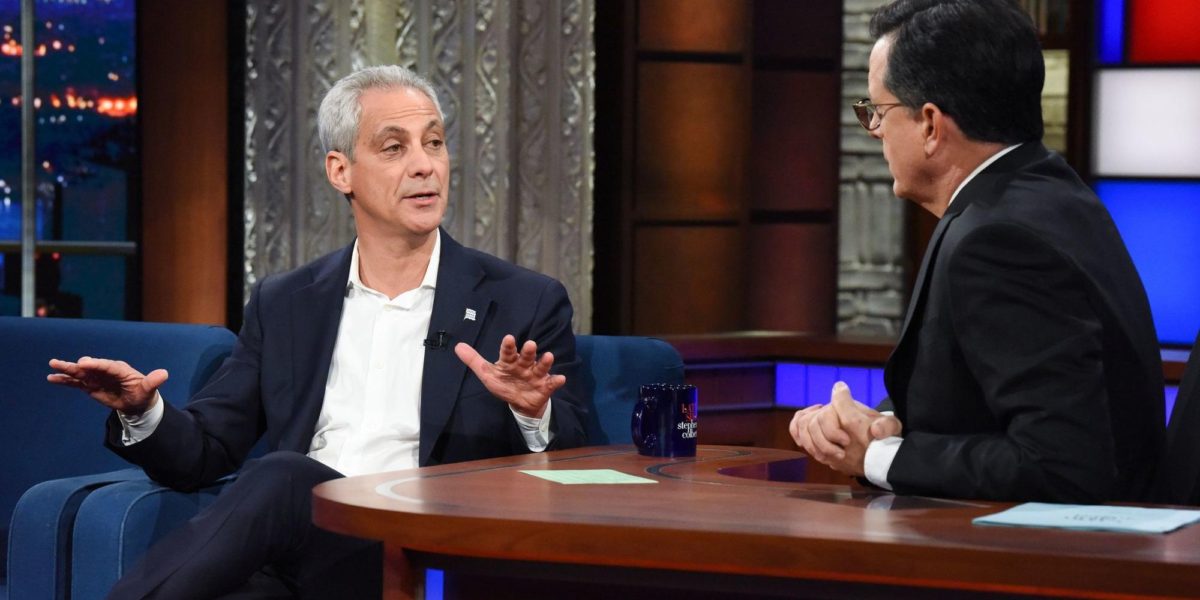
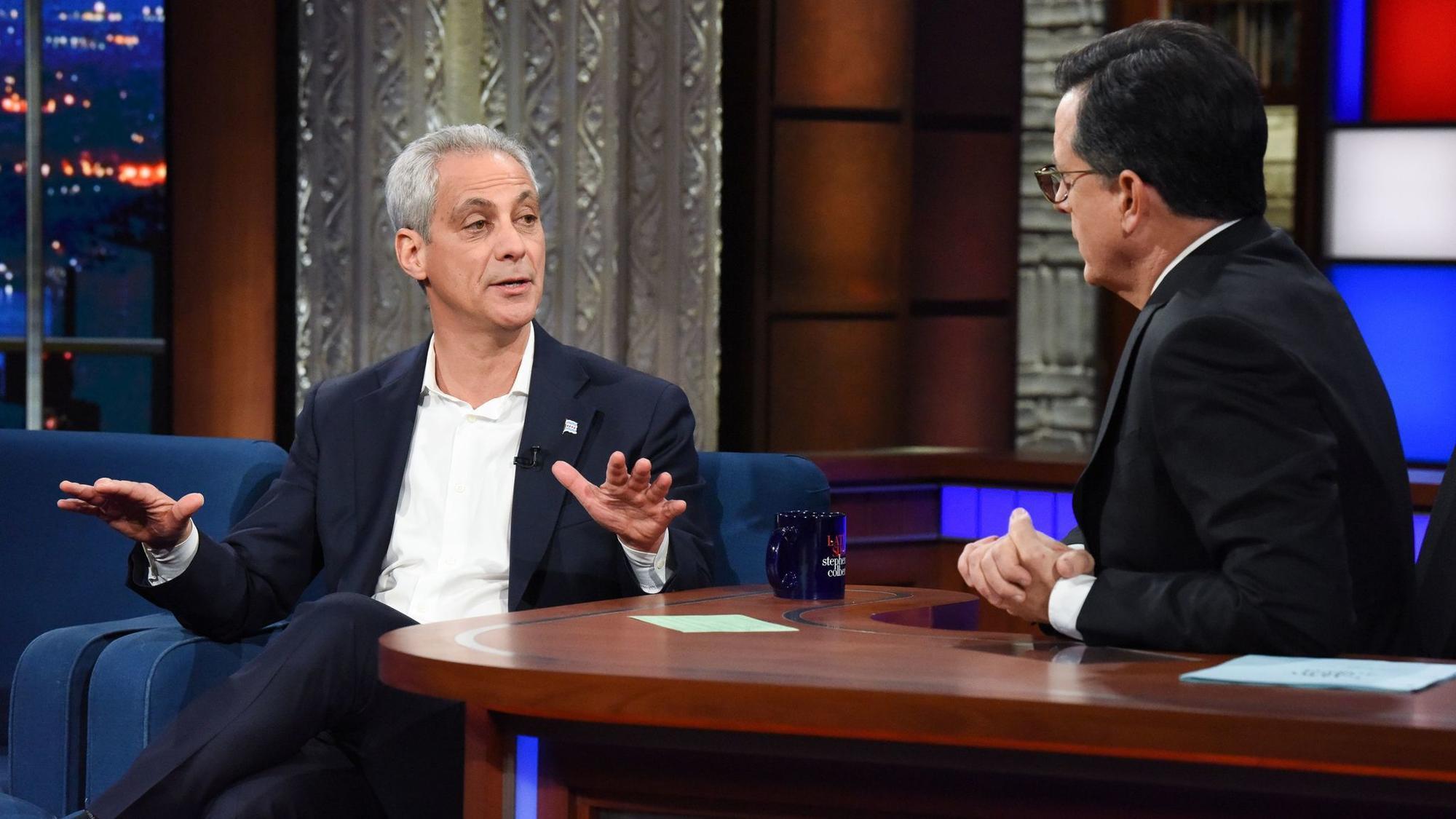
Mayor Rahm Emanuel stopped by “The Late Show with Stephen Colbert” Monday night to declare Chicago a “Trump-free zone.”
It was Emanuel’s first appearance on the show since Colbert took over for David Letterman in 2015, and he took the opportunity to escalate his criticisms of President Donald Trump, particularly when it comes to immigration policy.
“Our motto: A city he’ll never sleep in. We don’t want him,” Emanuel said to kick off his segment.
Colbert questioned the enforcement of that rule, particularly with “a Trump hotel right on the river there,” to which the mayor touted his record of opposing the Trump administration.
Emanuel mentioned free community college for students, including so-called DREAMers, who maintain at least a B average in high school, suing the Environmental Protection Agency over U.S. Steel dumping in Lake Michigan, as well as the recent adoption of climate change policies by mayors from around the world at a summit in Chicago.
“Look, Donald Trump is driving forward looking through the rearview mirror and I’m not going that way because I want my city going that way,” he said, gesturing forward, “and I want it to be a Trump-free zone.”
These Peaceful Guys Are Welcome Because They Are On Their Way To College.
“He really, never really likes it when I do that though,” Emanuel added.
Colbert then questioned Chicago’s status as a “sanctuary city,” a term used for jurisdictions that do not detain undocumented immigrants arrested on charges unrelated to their immigration status and turn them over to federal authorities for possible deportation.
“How is that not sort of a constitutional crisis?” Colbert asked.
Emanuel deflected at first, returning to a familiar anecdote about the arrival of his immigrant grandfather in Chicago 100 years ago, proclaiming that the city that welcomed his ancestors and made him mayor is “the greatest city in the greatest country in the world.”
“That doesn’t necessarily answer my question,” Colbert pushed back. “I’m all for what you’re doing, but I’m just curious how it doesn’t violate federal law for you to do this.”
“Because the police department in the city of Chicago is not supposed to be enforcing the immigration laws of the United States government. That’s what the federal government is for,” Emanuel responded, adding that stricter enforcement of immigration laws would counteract his work “building relationships between the police department and communities” – an area that has been the subject of intense scrutiny and structural reform in the wake of high-profile police shootings like that of Laquan McDonald in 2014.
“I’m not driving a wedge – that is what Donald Trump wants, is a wedge on the philosophy of community policing,” Emanuel told Colbert. “It’s absolutely antithetical to everything we’re trying to do.”
The duo then delved into a rapid-fire question game called “Fast Round” from the mayor’s podcast “Chicago Stories.”
Emanuel chose Cubs over Sox, thick crust over thin, Hancock over Sears, then (begrudgingly) Willis over Sears, lake over river and 16-inch softball over 12 – a Chicago summer tradition that Colbert said “looks like the moon is eclipsing when it comes at you.”
Colbert’s final question for Emanuel centered on Trump’s declaration last week that the U.S. would recognize Jerusalem as Israel’s capital, asking why the presidents Emanuel worked for (Obama and Bill Clinton) didn’t do it before him.
“First of all, no Democrat or Republican president would ever do this,” the mayor said, calling it “bad policy.”
“The fact is, for a whole host of reasons, you do not want the United States in the middle of negotiations about a two-state solution,” Emanuel continued. “You know, my father is from Israel, I’ve been to Israel, my son’s been Bar Mitzvahed there. This is not what a president should be doing.”
Emanuel landed one final dig at Trump, saying his “bigger worry is that he’s not also moving the nation’s capital to Alabama and I’m really more concerned about what he’s doing there,” in a reference to the high-stakes, contentious race to fill Attorney General Jeff Sessions’ former Senate seat.